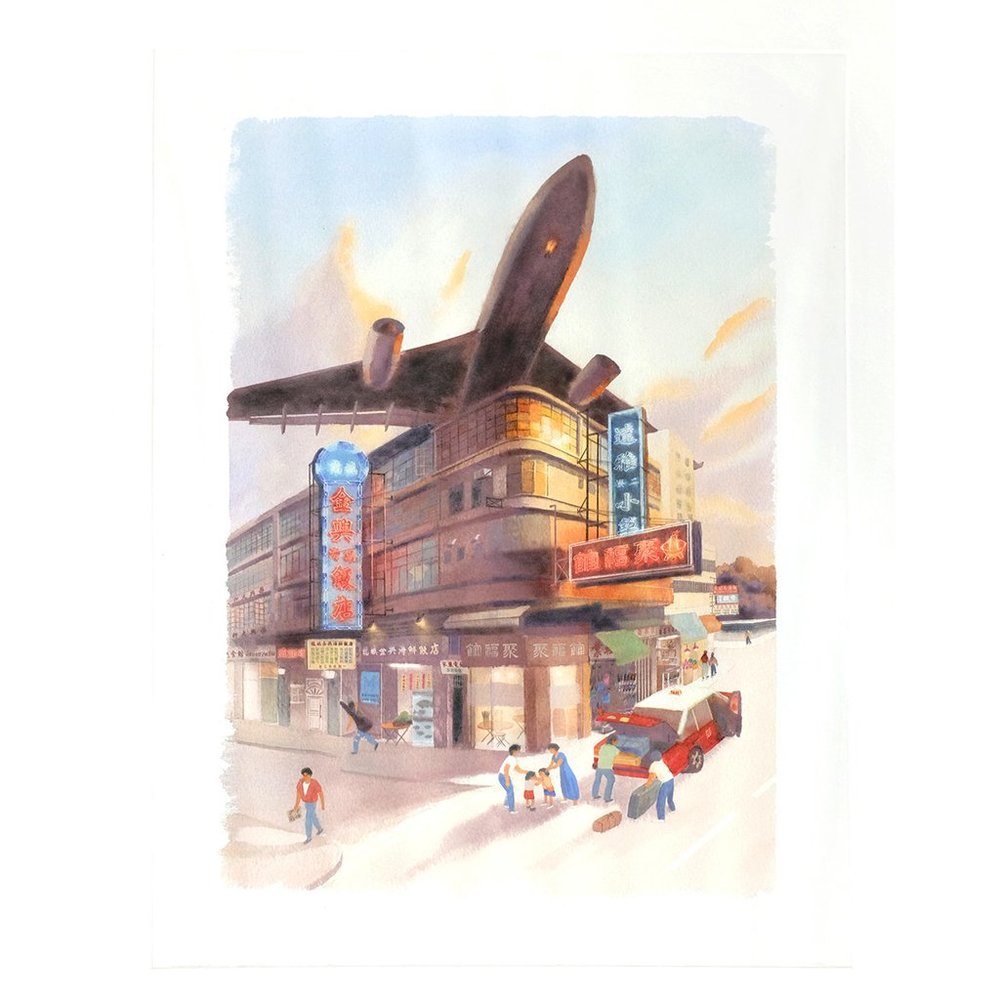
Discover the expressive qualities of drypoint etching, one of the most direct and accessible intaglio printmaking techniques.
In this hands-on workshop, you will learn how to create an image by drawing directly onto a printing plate with a drypoint needle. Unlike traditional etching, drypoint does not require acid — your marks are physically scratched into the plate, making the process feel much closer to drawing with a pen.
As you work, the needle raises a fine ridge of metal known as a burr along the scratched line. This burr catches ink during printing and creates drypoint's distinctive soft, rich and velvety lines.
Throughout the workshop, you will be guided through the complete drypoint process, including:
Preparing your drypoint plate
Transferring or developing your drawing
Using a drypoint needle and other mark-making tools
Creating different qualities of line and texture
Understanding how pressure and mark-making affect your print
Inking and wiping an intaglio plate
Preparing paper for printing
Using an etching press
Pulling and assessing your finished prints
Drypoint offers an immediate and intuitive way to make an intaglio image.
You can work with expressive lines, cross-hatching, textures and gestural marks to develop your image directly on the plate. The technique is particularly suited to drawing-based work, allowing you to retain the character and spontaneity of your original marks.
Experiment with different pressures and directions to discover how your marks translate into printed lines — from delicate, silvery strokes to deeper, darker and more textured marks.
Once your plate is prepared, you will learn how to apply and wipe intaglio ink before printing your image on an etching press.
The pressure of the press pushes dampened paper into the incised lines and burr, transferring the ink from your plate onto the paper.
One of the most rewarding parts of drypoint is seeing your drawing transformed into a print and discovering how the texture of the burr gives your lines a distinctive softness.
You will have the opportunity to print multiple impressions from your plate and learn how to achieve a consistent result throughout the printing process.
Because the burr created during drypoint is delicate and gradually wears down under repeated printing, drypoint is particularly suited to small editions.
This also means that each impression can retain a sense of individuality, making drypoint especially appealing for artists interested in intimate, hand-printed editions.
Drypoint and hardground etching both create intaglio prints, but the mark-making process is different. Drypoint is drawn directly into the plate with a sharp needle, creating a raised burr that gives the printed line a soft, velvety quality. With hardground etching, the image is drawn through a protective ground on the plate, which is then etched with acid to create the lines. Drypoint offers a more direct, expressive drawing process, while hardground allows for cleaner, more precise etched lines.
This workshop is suitable for complete beginners as well as artists who want to explore a new drawing-based printmaking technique.
No previous etching or printmaking experience is required.
It is ideal for anyone interested in:
Drawing and mark-making
Intaglio printmaking
Expressive line and texture
Illustration and image-making
Creating handmade editions
Exploring traditional printmaking techniques
By the end of the workshop, you will have created your own drypoint plate and a series of original prints, along with a practical understanding of the complete drypoint printing process.
✓ Beginner-friendly
✓ No acid required
✓ Draw directly onto your printing plate
✓ Explore expressive lines and textures
✓ Learn traditional intaglio inking and wiping
✓ Print using a professional etching press
✓ Create your own small edition of drypoint prints
This class happens every 3 month's first 3 Thursdays. Every session is 2 hours long, 6 hours total.
Sign up to get the latest on classes, sales, new releases and more!